

Become a better communicator to advance in your career
Soft skills (also called “power skills”) are multifaceted—encompassing communication, interpersonal effectiveness, social skills, teamwork, collaboration, and adaptive mindset. Though typically more difficult to measure, they are immensely valuable to your career progression and professional impact. The Soft Skills Workshop will help you gain a deeper understanding of essential soft skills and how they complement and enhance your existing technical expertise and skill set. You will develop self-awareness of how you communicate and influence others, learn to recognize different communication styles, and practice applying these skills to real workplace scenarios.
Many professionals undervalue spoken communication as its own medium. As a result, they unintentionally dilute their impact by overloading content, obscuring key messages, or relying on materials that do not work well when delivered out loud. Being an effective speaker requires a clear understanding of how audiences process information, the ability to think and adapt in real time, and the confidence to deliver concise, compelling messages when it matters most.
This workshop is designed to strengthen the capabilities that drive career success, whether you’re advancing your own ideas, working across teams, or managing stakeholder relationships. By the end of it, you will be equipped to influence, engage, and lead with greater clarity and confidence.
Upcoming Seminar Dates
Offered in both in-person and virtual formats:
November 17, 2026 | In-person at UW Seattle Campus
December 15, 2026 | Live Online
May 25, 2027 | In-person at UW Seattle Campus
Benefits of attending
Soft skills are in high demand. Employers value professionals who can communicate effectively, handle difficult conversations, and make impactful presentations. Discover your communication tendencies and preferences at the Soft Skills Workshop and watch how this newfound self-awareness transforms your interactions at work. Learn to read your audience and adjust your communication style accordingly, which is an important skill to have in diverse workplaces where understanding and respecting different communication styles is crucial. Whether you’re pitching an idea or presenting a project, this workshop will teach you how to capture attention and persuade effectively. Expect hands-on exercises and real-life scenarios that let you immediately apply what you learn.
Effective leaders are often described as “clear” or “confident,” but those qualities are rooted in speech. This workshop helps professionals understand how spoken communication works and how listeners process information in real time. With that understanding, communication becomes more efficient. Messages are clearer, key ideas stand out, delivery feels more controlled, and communication becomes easier for both the communicator and the listener.
During this workshop, we will focus on helping you:
- Develop self-awareness of your communication style and how it’s perceived by others.
- Recognize different communication styles and learn to adapt your approach for greater impact.
- Equip you with practical tools to strengthen your influence and persuasiveness.
- Understand what your audience actually needs from you before you say a word.
- Break the habits that lose rooms and build the ones that earn attention.
- Adjust your message based on the audience you’re speaking to.
- Deliver messages that land with the clarity and confidence you intended them to.
Course Overview
Communication Style & Effectiveness
Miscommunication in the workplace leads to frustration, inefficiencies, and missed opportunities. Effective communication begins with understanding your own communication style and how it intersects with the styles of others.
This module builds self-awareness of your natural communication tendencies, preferences, and how your message is perceived. You’ll develop the ability to recognize different communication styles in real time and adjust your approach accordingly. When communication differences are understood, they become a powerful tool for connection and alignment.
Through real-world scenarios submitted by participants, you’ll gain hands-on practice using proven techniques for navigating difficult conversations and common workplace scenarios with skill, empathy, and professionalism.
Presentation Skills (Online Sessions Only)
Research in social psychology shows that first impressions are formed almost instantaneously. In high-stakes presentations to decision-makers, key stakeholders, or your team, those initial moments are critical. You’ll learn to deliberately leverage both verbal and nonverbal communication (including your presence and body language) to establish credibility and trust. Through practical techniques, you’ll strengthen your professional presence and deliver concise, compelling messages that resonate with your audience.
Earn the Room: Communication Skills that Connect (In-Person Sessions Only)
Most professional presentations don’t fail because the ideas are bad. They fail because the speaker never earns the audience’s attention. Everyone has sat through a meeting that ran too long, a presentation that buried the point, or a message that made them check their phone. We’ve all been that audience member. And yet, when it’s our turn to speak, we repeat the same mistakes.
This module isn’t about doing anything magical. It’s about breaking bad habits and remembering that communication works best when it treats people like human beings.
The first shift is understanding what it takes to earn and keep an audience’s attention. Listeners are constantly deciding whether to stay with you. Most presentations lose them early by leading with too much context, too little clarity, and no obvious reason to care. We work on changing that from the first sentence.
The second shift is learning to write for the ear, not the page. Most people script their remarks the way they write an email, and it shows. Spoken language has its own rhythm, its own pacing, its own logic. You will practice finding a voice that sounds natural and controlled rather than like someone reading aloud.
Throughout the session, the focus stays on empathy, connection, and awareness. The practical skills covered apply regardless of how comfortable someone is in front of a room. Because the goal isn’t a polished speech. It’s a sharper understanding of what your audience needs from you, and the confidence to give it to them.
Registration and Fees
November 17, 2026 | UW Seattle Campus | $650
Registration deadline: November 3, 2026
Register Now
December 15, 2026 | Live Online | $525
Registration deadline: December 1, 2026
Register Now
May 25, 2027 | UW Seattle Campus | $725
Registration deadline: May 18, 2027
Register Now
Program fee includes instruction and learning materials. In-person pricing also includes parking on campus, lunch, and refreshments. Payment is due prior to the course start date and accepted by check, credit card, or purchase order. Early registration is strongly encouraged as space is limited. View discount and cancellation policies.
Faculty

Jean Choy is an Associate Teaching Professor of Management and the Associate Dean of Executive Education and International Initiatives at the University of Washington’s Foster School of Business. She is responsible for developing long-term strategic partnerships to promote new business development and collaborative initiatives among corporate organizations, academic institutions, government offices, and individuals. Jean also teaches Communication Skills and Strategies in the Global Executive MBA Program which covers topics on the importance of engaging others, being coachable, managing team dynamics, influencing and persuading, leveraging networking opportunities, and listening.
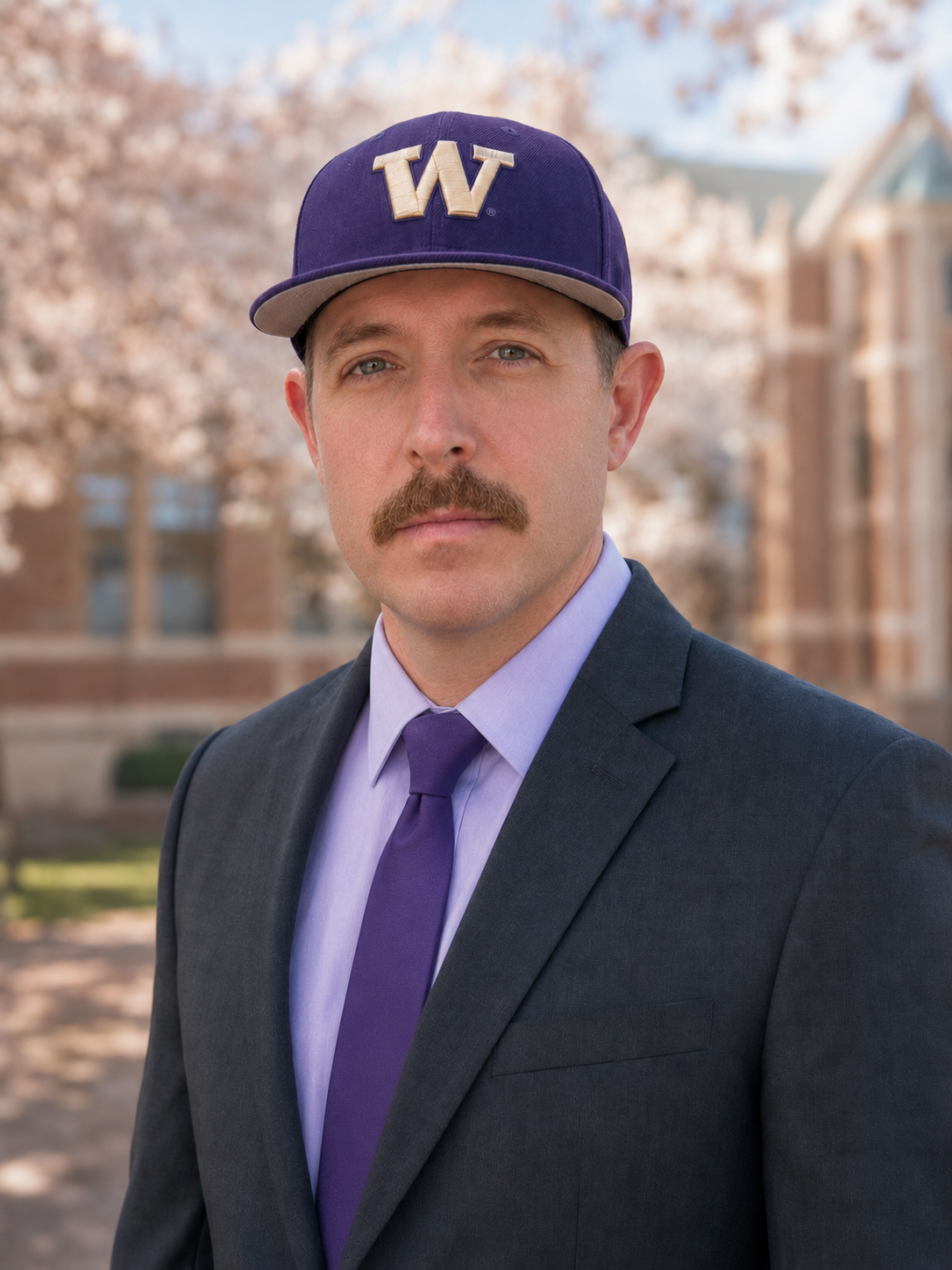
Dr. Kjiel Carlson is a Teaching Associate in Management at the University of Washington’s Foster School of Business and an executive coach specializing in leadership effectiveness, communication, and organizational performance. With more than 20 years of management and executive experience across technology, operations, and analytics, he works with leaders ranging from high potential individual contributors to senior executives. At Foster, Kjiel teaches courses in strategy, business communication, project management, and business analytics. His approach focuses on practical leadership skills, including executive presence, influence, communication, feedback, difficult conversations, coaching, and leading teams through complexity and change.
Jean Choy is an Associate Teaching Professor of Management and the Associate Dean of Executive Education and International Initiatives at the University of Washington’s Foster School of Business. She is responsible for developing long-term strategic partnerships to promote new business development and collaborative initiatives among corporate organizations, academic institutions, government offices, and individuals. Jean also teaches Communication Skills and Strategies in the Global Executive MBA Program which covers topics on the importance of engaging others, being coachable, managing team dynamics, influencing and persuading, leveraging networking opportunities, and listening.
Program fee includes parking, lunches, and learning materials.
Location
Bank of America Executive Center (BAEC)
University of Washington Main Campus
4275 NE Stevens Way
Seattle, WA 98195
View map
Parking
You will receive a parking code and instructions on where to park on campus from the program manager via email prior to the start of the class.
Commuter info
Please see these resources for information about commuting by bike, bus, or train:
Disability accommodation
The University is committed to providing access, equal opportunity, and reasonable accommodation in its services, programs, activities, education, and employment for individuals with disabilities. Please see this reference about submitting accommodation requests.
Continuing Education Credits
Participants are eligible to receive 0.63 Continuing Education Units (CEUs) for this seminar. You must request tracking of your CEU credits when you register. More information about CEUs.
Schedule at a glance
- 8 – 8:45 a.m.: Check-in with coffee and tea provided
- 8:45 a.m. – 12 p.m.: Class
- 12 – 1 p.m.: Lunch provided
- 1 – 4:30 p.m.: Class
Like our in-person courses, online courses from Executive Education are designed and led by Foster School instructors and taught using the same evidence-based research and application. Students will participate in discussions, breakout sessions, and direct interactions with our instructors. Courses are conducted via Zoom, which facilitates participation via webcam and text-based chat.
In addition to the instructor, your program manager will provide guidance throughout the course. You will be contacted by the program manager via email and provided with course logistics.
Continuing Education Credits
Participants are eligible to receive 0.5 Continuing Education Units (CEUs) for this seminar. You must request tracking of your CEU credits when you register. More information about CEUs.
June 8-9, 2026 Schedule at a glance (split into two half days)
- Day 1, 9:00am – 12:00pm (PT): Impactful Communications
- Day 2, 9:00am – 11:00am (PT): Presentation Skills
December 15, 2026 Schedule at a glance (one day class)
9:00am – 2:30pm (PT): Impactful Communications and Presentation Skills