

The UW Global Banking Program has brought banking professionals together for 50 years.
And for the past 20 years, Dr. Patrick “Pat” Bettin has helped shape that experience at the Foster School of Business.
An internationally recognized leadership and management development expert, with a career spanning academia, industry, and military service, Bettin has earned Foster’s Excellence in Teaching Award 47 times and has taught in the Global Banking Program since 2005.
As the Global Banking Program marks its 50th anniversary, Bettin shares lessons from two decades of teaching banking professionals from around the world.
What makes the UW Global Banking Program unique?
One of the most apparent distinguishing factors is the diversity of participants. They bring their personal backgrounds and unique cultural perspectives to the discussions. We all benefit from seeing the world’s challenges from different viewpoints.
Another distinguishing factor is that it’s a “residential program.” Participants stay together throughout the two weeks, enabling them to develop strong personal and professional relationships.
Having meals together and spending time socially allows them to share diverse insights and perspectives from their experiences in different countries, cultures, and financial institutions. These informal conversations give them the opportunity to explore and expand on classroom lessons, gaining a deeper understanding of the material without rushing off to other responsibilities.
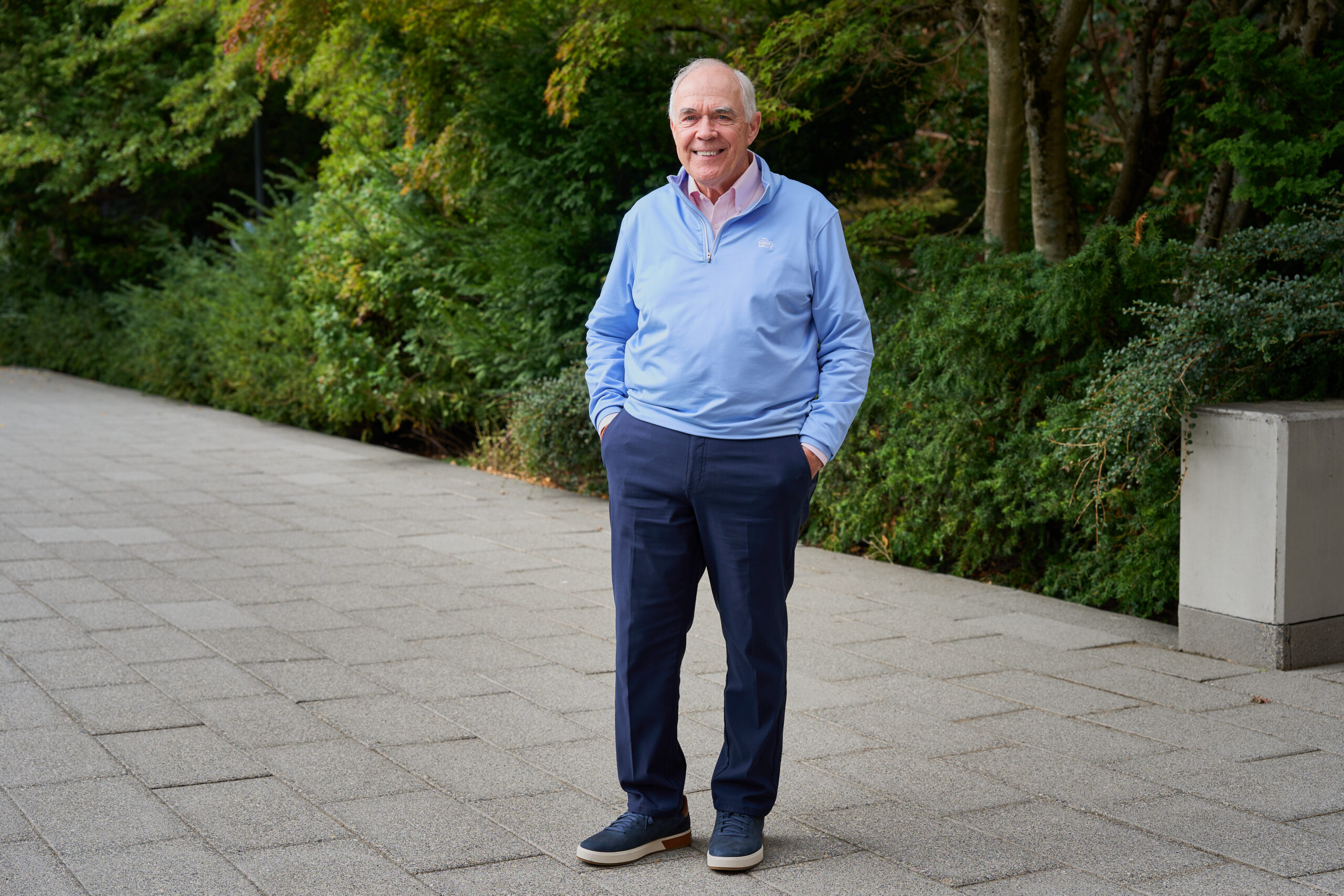
As the UW Global Banking Program celebrates its 50th anniversary, Pat Bettin marks 20 years of teaching in the program, having helped shape the experience of banking professionals from around the world since 2005.
What do you hope bankers take away from your classes?
As a business school, we frequently talk about the “global economy” and its impact on our societies. I sincerely believe that we are much more than a global economy. We are a “global community.”
We all need to figure out how to work across borders and boundaries, respect and engage with diverse religions and ethnicities, and address the macro challenges that affect us all.
There is no question that banks and bankers are critical to helping create and sustain our communities by providing the financial stability necessary for investments and sustainability.
I try to instill in students a sense of responsibility for the performance of their banks and their people. I share a metaphor for effective leadership: The most effective, dynamic leaders in today’s world “connect the head – the heart – and the gut.”
The “Head” represents rational thinking, technical expertise, and financial awareness. It’s the ability to “think things through” and develop rational solutions to complex problems rather than reacting emotionally.
The “Heart” represents passion, courage, and compassion. The best leaders believe in what they’re doing, and that passion energizes others. They have the courage to challenge the status quo, take appropriate risks and even “let go” when they recognize the need for change. Compassion allows them to understand how their actions affect others and see issues from different perspectives.
The “Gut” represents commitment and intuition. Effective leaders are committed to their organizations, colleagues, and communities. This commitment gives them perspective, allowing them to see their work as something bigger than themselves. From that perspective comes a healthy level of humility, balanced with self-confidence.
This metaphor captures the essence of leadership that enables leaders to earn the trust of others and develop the judgment needed to navigate an uncertain world.
What does effective leadership require in today’s changing banking world?
Given the complex global economy, disruptive technologies, and ongoing global challenges, there are no simple answers when it comes to effective leadership.
Traditional concepts of leadership, usually defined as one-way influence processes, are often inadequate to meet the challenges facing today’s complex organizations.
Instead, the focus is shifting toward “transformational leadership.”
Transformational leaders enable others to transcend self-interest and act for the good of the organization. They seek diverse points of view, encourage cooperation and trust, and create and communicate a compelling vision of the future.
They provide high standards of performance and the inspiration to achieve significant goals. In essence, they develop an organizational culture of shared responsibility based on mutual trust and respect.
To achieve success in today’s business environment, leaders must recognize one another’s roles, responsibilities, and potential contributions. They must develop teams that work cohesively across organizational boundaries and strive to earn others’ trust.
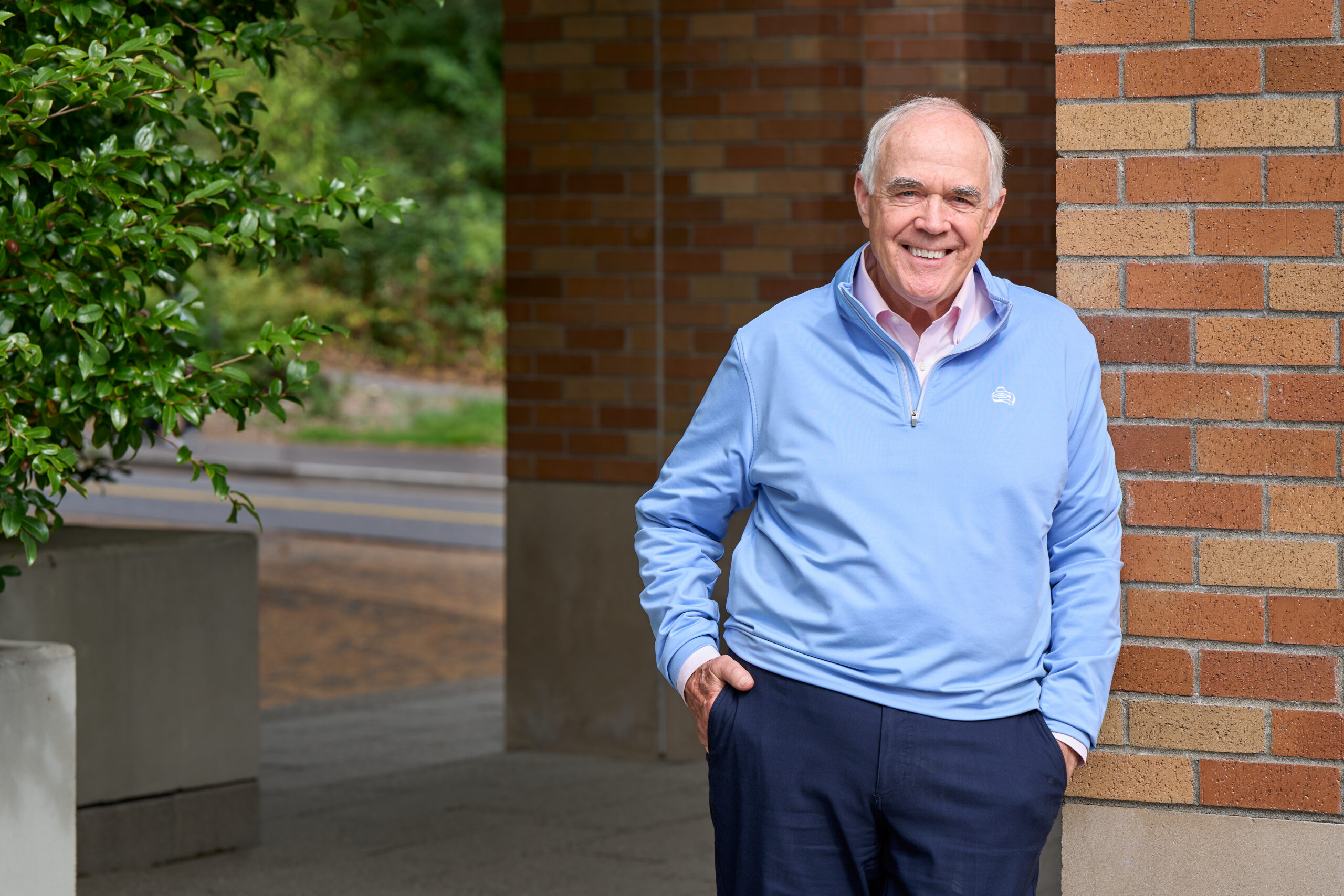
For Bettin, some of the most meaningful learning happens beyond the classroom, as participants build relationships and exchange perspectives that extend well beyond their two weeks at UW.
What do you hope the program continues to provide students in the future?
I believe the Global Banking Program and my class sessions are instrumental in helping the Foster School of Business achieve its mission of developing leaders who prioritize purpose, community, and sustainable impact.
Banks and bankers are critical to creating and sustaining our communities by providing the financial stability necessary for investment and sustainability.
Helping bankers see their role as leaders within their banks and in society gives them a sense of purpose and perspective. It energizes them to strive to become “transformational leaders” themselves.
50th celebration of global banking education
This December, alumni from around the world will gather in Manila to celebrate the program’s 50th anniversary. It’s an opportunity to reminisce, network, and collaborate, reflecting the global relationships and shared sense of purpose that have sustained the program for 50 years. Bettin will also be in attendance as a featured speaker, reconnecting with students who he’s inspired over his 20 years of instruction.
It’s not too late to be part of the celebration. Learn more about the 50th anniversary and register!