

In December, Foster School of Business Professor Weili Ge found herself on stage at UC Berkeley’s Greater Good Science Center for an event called “Why Kind Leaders Win.” Alongside her were business leaders who had built successful careers while prioritizing something often dismissed in corporate America: genuinely caring about others’ well-being.
Denis Ring, who founded Whole Foods’ 365 brand and later started Ocho Chocolate in Oakland, described learning to say hello in multiple languages to connect with his diverse workforce and regularly baking bread to share with employees. Yamini Rangan, CEO of HubSpot, explained her practice of scheduling one-minute resets between meetings to clear her mind and give the next person her full attention.
For Ge, the PricewaterhouseCoopers and Alumni Accounting Professor at the Foster School, the panel represented both a culmination and a validation. She’d been invited because of her ongoing research on prosocial leaders—those who engage in behavior primarily helpful to others. Hearing these executives describe their leadership philosophies brought her years of data analysis to life.
“I just feel very inspired,” Ge says. “It’s really good to see how things happen. Through this event, I heard the stories about what these CEOs actually do to make this happen. That’s very powerful.”
The panel provided real-world examples of what she’s been seeing in the data: Caring about others’ welfare can be a leadership advantage.
How Weili Ge Began Researching Prosocial Leadership
The research that brought Ge to that Berkeley stage began with a simple question: Do prosocial CEOs – those who engage in behavior primarily helpful to others – run their companies differently?
Ge and her co-authors, Mei Feng, Zhejia Ling, and Wei Ting Loh, explored that question in their first research study, published in 2024, and they’ve continued to collaborate as the questions have expanded. After showing in that initial research that companies led by prosocial CEOs have lower top manager turnover, better employee policies, higher customer satisfaction, and improved financial performance, they’ve since found that these companies maintain financial integrity under pressure and that prosocial leaders themselves have more successful careers.
But before they could start answering any of these questions, they had to devise a way to measure something that’s hard to quantify. For the 2024 study, they identified prosocial CEOs through their involvement with charitable organizations, then validated the measure by examining how these CEOs communicated during earnings calls. Prosocial CEOs shared credit when things went well and took responsibility when things went poorly.
“This is consistent with these CEOs being less egocentric,” Ge says.
Having established a reliable way to identify prosocial CEOs, the research team could now examine new questions.
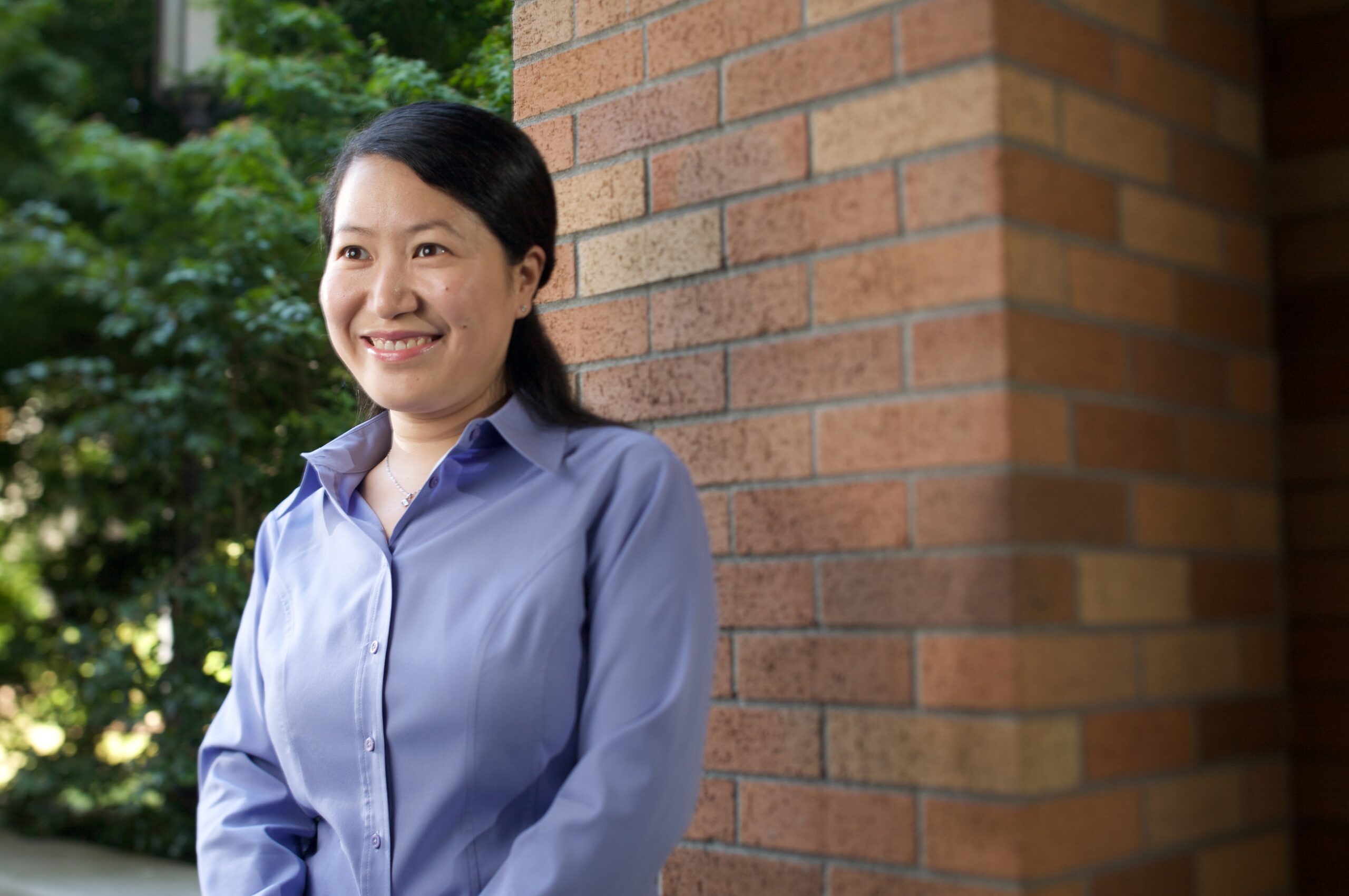
“The bottom line of my research speaks to how being prosocial is a good leadership trait. You can do well by doing good.”—Weili Ge
Prosocial CEO research expands
The second study, forthcoming in Contemporary Accounting Research, examines what happens when prosocial CEOs face pressure. She and her co-authors found that prosocial CEOs are significantly less likely to manipulate accounting numbers or engage in financial misconduct, even when facing strong incentives to inflate results.
“When your true colors shine is in tough times,” Ge says.
This finding extends beyond individual companies because honest financial reporting protects investors and helps capital markets function effectively. The research shows that prosocial tendency spills over into financial integrity, even under pressure.
The third study, currently a working paper under revision, asks whether being prosocial helps the leaders themselves.
The answer: yes. Prosocial managers are more likely to become CEOs and other top executives, and they get there faster. The effect is especially pronounced for internal promotions, where trust and goodwill matter most. Once they become CEOs, prosocial leaders are also less likely to be dismissed for poor performance or misconduct.
This finding contradicts the old adage that nice “guys” finish last. The data suggests that prosocial behavior can actually accelerate careers.
“You can do well by doing good,” Ge says simply.
From data points to reality
The panel reinforced what Ge had come to believe: People don’t generally pursue prosocial activities as a calculated career move. They do it because it aligns with their values.
“There’s some intrinsic beauty of doing something for others,” she says, “not for all this future whatever: shareholder value, company profitability. But I think there is just beauty in this.”
Yet that beauty doesn’t preclude strategic thinking—or business results.
“You can still be strategic and a critical thinker while being prosocial,” Ge adds.
Her research bears this out: Prosocial leaders don’t sacrifice business acumen. If anything, their concern for others enhances their effectiveness.
The patterns Ge found in her data played out in the stories she heard during the panel discussion. Ring described a moment when a potential investor asked about employee turnover at Ocho, and he was able to respond that not a single person had left. His experience reflected what that first study had shown about prosocial CEOs retaining talent. And the successful careers of all the prosocial leaders on stage exemplified the third study’s finding.
“The bottom line of my research speaks to how being prosocial is a good leadership trait,” Ge says, “and the link between doing good and doing well.”
The Berkeley panel provided what data alone couldn’t: the chance to see her findings embodied by those who lead with their values.
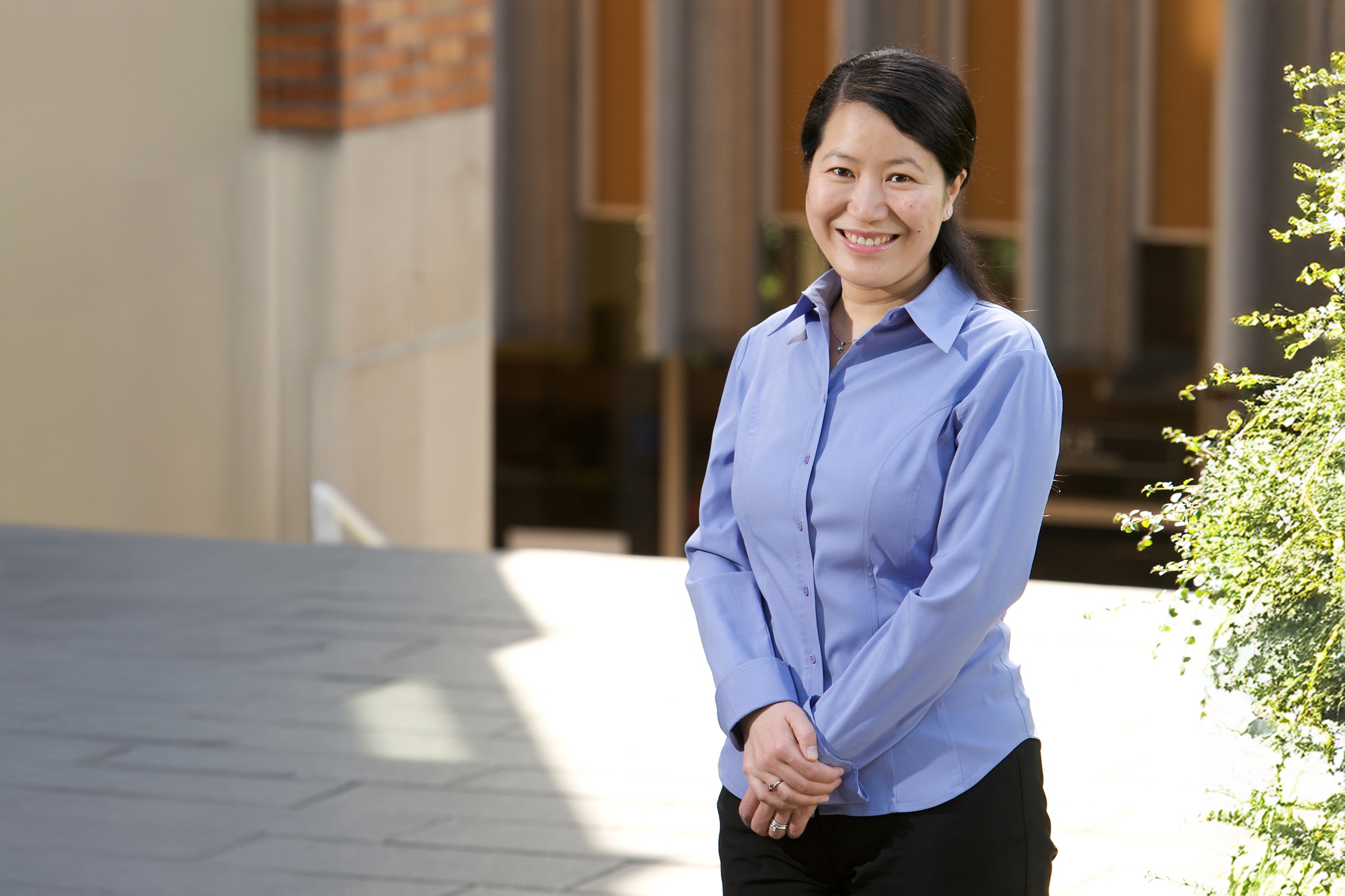
“You can still be strategic and a critical thinker while being prosocial.”—Weili Ge
Read the Foster 2023 story about Ge’s research: Prosocial CEOs.
Read the published research: “Prosocial CEOs, Corporate Policies, and Firm Value” by Mei Feng, Weili Ge, Zhejia Ling, and Wei Ting Loh. Review of Accounting Studies, Volume 29 (2024).