
Reusable menstrual products, such as cups and period underwear, are often marketed as empowering alternatives that are better for your body, better for the planet, and better for your wallet. These claims lie at the heart of inclusive marketing, which seeks to ensure that products and the experiences around them are accessible, respectful, and workable for people across different contexts. But what if these products simultaneously empower and exclude the very consumers they’re designed to serve?
New research from Foster School of Business Teaching Associate Mycah L. Harrold and her co-authors reveals a paradox at the heart of so-called “feminist technologies”: products designed to challenge patriarchal systems and empower women can create new barriers to inclusion even as they tear down old ones. Through four studies that combined surveys, in-depth interviews, and a partnership with a woman-owned menstrual cup company, the research team uncovered what they call “competing trajectories” — ways in which the same product can simultaneously empower and disempower consumers across four distinct levels of experience.
The findings, published in a special edition of Marketing Theory, have implications far beyond menstrual products, revealing important truths about how any “empowering” consumer offering can inadvertently exclude the people it aims to serve. Here, Harrold discusses what happens when marketing messages meet messy realities, why four roommates who all use menstrual cups still need a code word, and how her research challenges assumptions about what makes a product truly empowering.
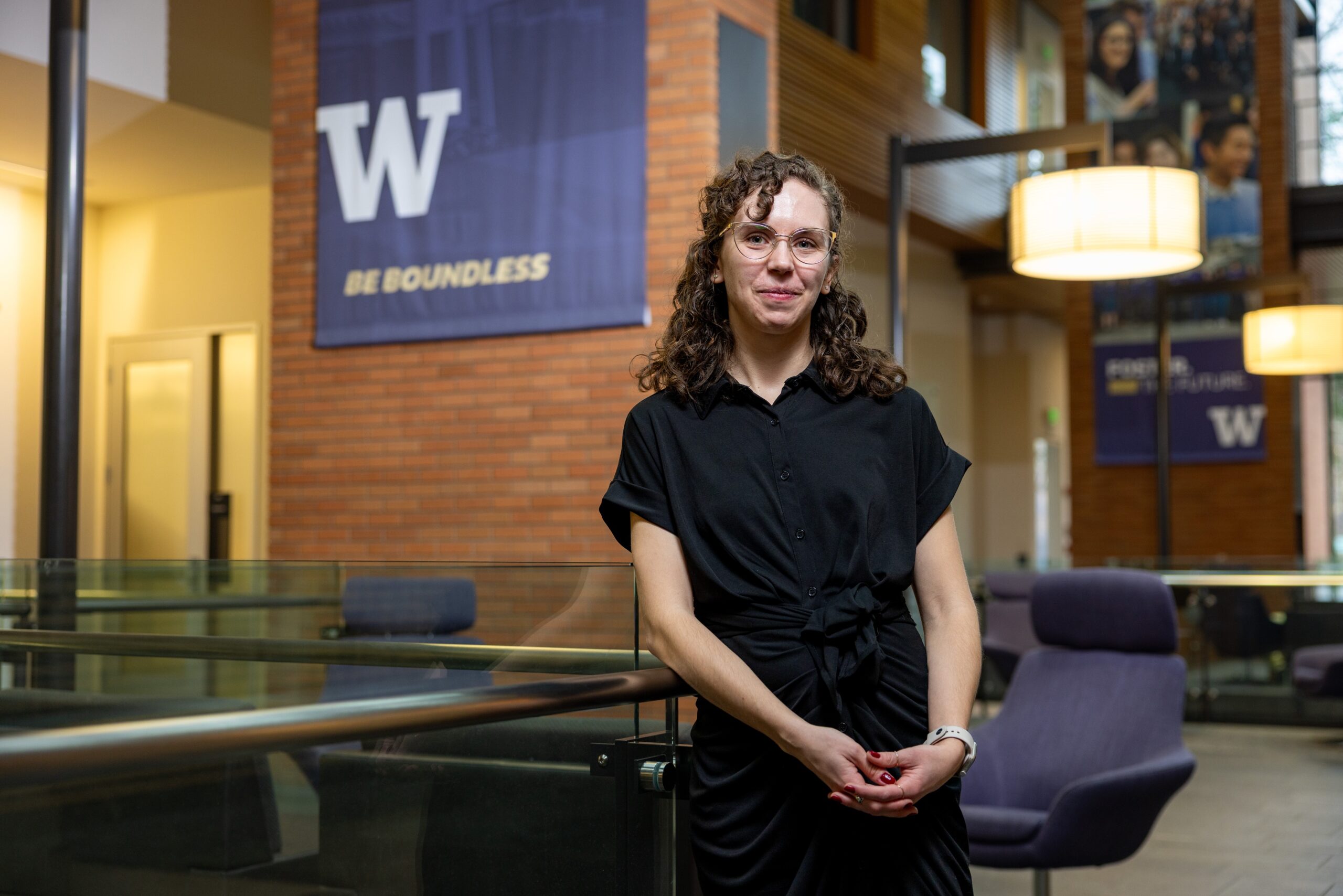
“Consumers are complex and nuanced, and a savvy, responsible marketer will keep this in mind.”—Mycah L. Harrold’s research highlights how inclusive marketing must account for diverse consumer experiences rather than assume one-size-fits-all empowerment.
What inspired you to pursue this research on reusable menstrual products?
My research is driven by a desire to understand the ways that consumers’ sex and gender impact and are impacted by their consumption experiences. Much of this is consumption that consumers do not feel they have much choice in. For instance, menstruators are really forced into purchasing menstrual products of some variety to manage their periods. Marketing scholarship has largely overlooked this very real and, for menstruators, very routine and regular, sort of consumption experience.
It becomes even more interesting when you consider that feminist scholars do discuss these things. In the paper, we highlight that feminist scholars debate whether or not reusable menstrual products constitute a “feminist technology” (an advancement that simultaneously deconstructs the patriarchy and empowers the user). I wanted to supplement these theoretical debates happening in the academic “ivory tower” with the voices of real menstruators speaking about their real experiences with real products.
How did this collaboration come together, and what did the different research methods allow you to uncover?
The mixed method nature of this project made it such a joy to work on! The three of us on the authorship team are committed to producing research that centers on consumer experiences, but we answer our research questions in very different ways. Dr. Aimee Dinnín Huff is a skilled, qualitative researcher, while Dr. Anabella Donnadieu Borquez and I are quantitative researchers who generally think in terms of experiments and surveys. Our different approaches combined to produce a cohesive and comprehensive picture of the consumption situation.
The quantitative studies (1, 2, and 3) provide a view of the “forest”: how consumers classify menstrual products as traditional vs alternative; the feelings and thoughts they associate with reusable menstrual products; their experiences with the “learning curve” element of these products.
The qualitative interviews (study 4) allowed us to narrow our focus and really examine the “trees”: individual consumers and their experiences. Incorporating their insights, stories, frustrations, and confusions really added color and nuance to the picture that had already been emerging.
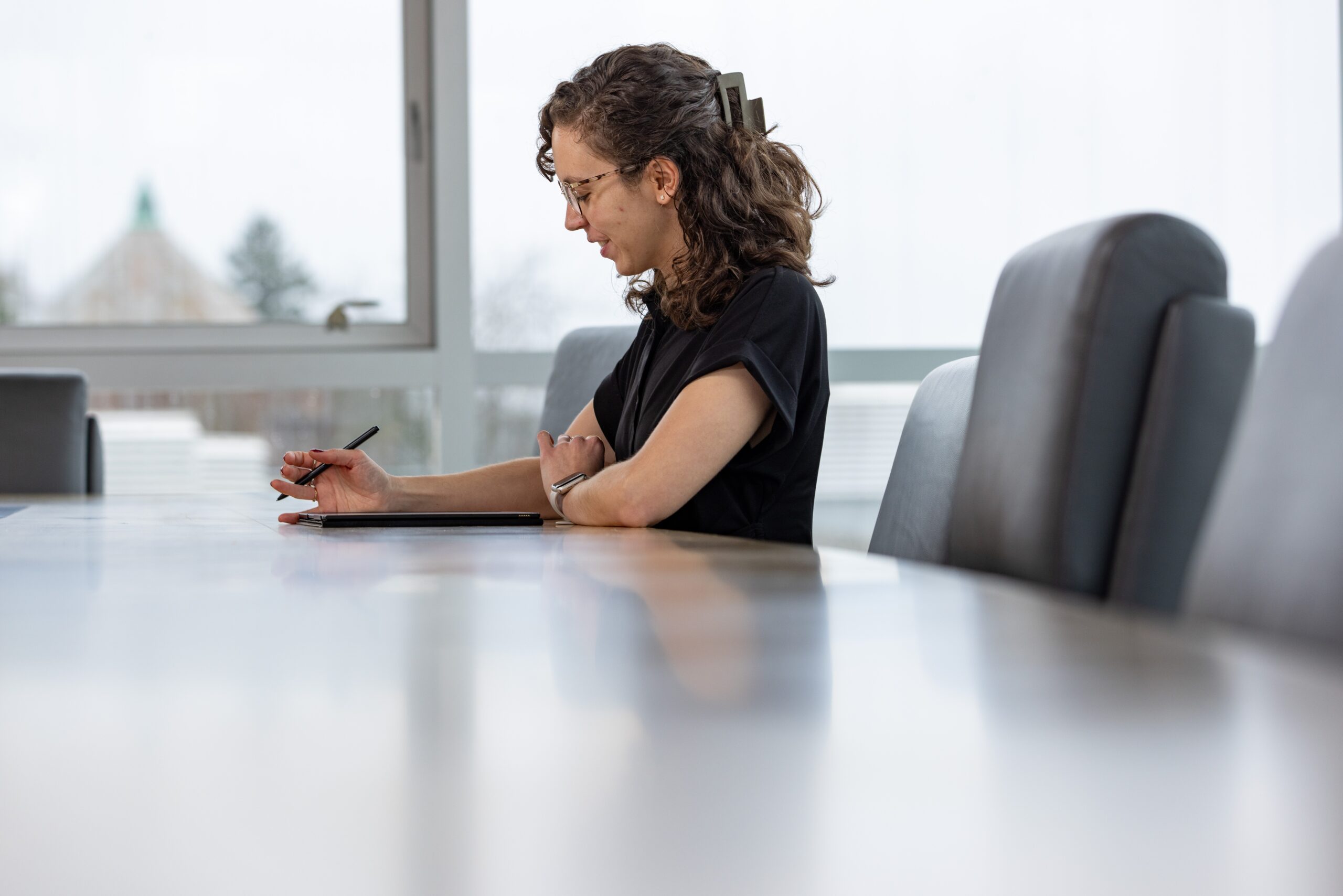
“For many folks, these products are prohibitively expensive, and the learning process can be disempowering.”—Mycah L. Harrold’s research examines how products marketed as empowering can create new barriers—revealing challenges at the heart of inclusive marketing.
You introduce the idea of “competing trajectories.” What does that reveal about inclusive marketing, and why does it matter?
If you look at the marketing of reusable menstrual products, you’ll often see very empowering language. Consumers are told that they are healthier (both for their bodies and for the planet), more comfortable, more intentional alternatives to conventional products. Many consumers find this to be true. But, by positioning the products in this way, the potentially disempowering elements of them are obscured and neglected. Our research makes room for BOTH of these possibilities (trajectories) to be SIMULTANEOUSLY on the table and examined together, rather than separately.
We argue and provide evidence to support the idea that, contrary to what the marketing might imply, consumers find elements of the products and their use to be both empowering and disempowering at the same time. For instance, they might feel empowered by supporting a women-owned business and learning more about their own anatomy, while simultaneously feeling disempowered by the large upfront cost and the learning process of inserting and removing the product.
We wanted the language, as well as the research as a whole, to reflect the complexities of these types of consumer experiences.
Which level of tension surprised you most, and why?
The interpersonal level! There has always been a very social and communal aspect to menstruation. I was interested to see how it would play out in this particular situation and it did end up surprising me!
My favorite anecdote in the paper is from a participant who lives with three female roommates, all of whom use menstrual cups. Cups are generally boiled for sanitation following use and these consumers have a designated kitchen pot for this purpose. While all of them clearly understand what is happening and share similar experiences of using cups, they still have a code word, “Girl Stew,” for the boiling process. The participant was very clear that the others “stay away” when another’s cup is in that pot.
I might have expected that consumers with such a shared experience could be very open and frank with each other, but this anecdote shows us there are still parts of it that consumers keep to themselves. It demonstrates the tension between “We’re empowered using these products!” and “But we still feel a little self-conscious about it.”
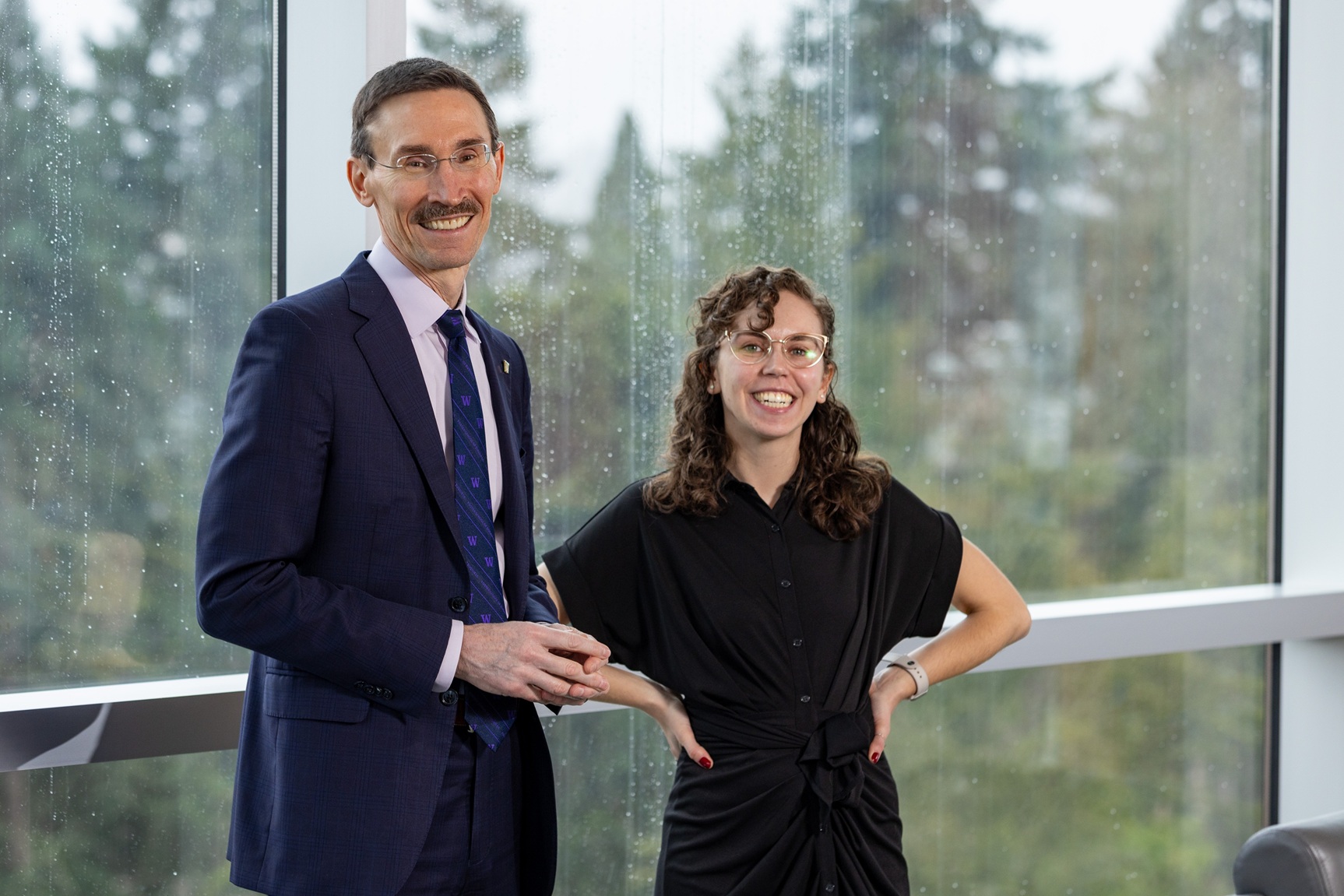
In conversation with Foster Dean Frank Hodge, Mycah L. Harrold reflects on her research and its implications for inclusive marketing.
What did this research challenge about your own assumptions of what “empowering” products really mean?
This project really helped me understand that “empowering” for one consumer does not necessarily mean “empowering” for another. I’m so thankful for our participants’ willingness to be honest and open about their experiences. Through them, we were able to see how an “empowering” consumer product is experienced differently by consumers with different identities (disabilities, gender identities, etc.) and in different contexts (while traveling, in unfamiliar public spaces, etc.).
Not only do these “empowering products” empower consumers differently, we learned that they can also actively disempower consumers. For many folks, they are prohibitively expensive. Menstrual cups often sell for around $30 USD, which is a lot of money to spend on a product that (a) often requires lots of time and experimentation to “get the hang of” (on average, around 3 periods), (b) cannot be returned, (c) might come in different sizes (not many menstruators I know have a good idea of what “size” their cervix is!).
It can be easy to take for granted that a product is empowering to consumers, even as someone who researches and thinks a lot about consumer well-being. But, you cannot lose sight of the fact that consumers are complex and nuanced and that a savvy, responsible marketer will keep this in mind.
Who do you hope ultimately benefits from this research?
Consumer well-being is at the heart of all my research. I aim to identify and elevate consumer voices that have been silenced, ignored, or disregarded. This work demonstrates that consumers can and do find reusable menstrual products empowering, which is important for menstrual cup brands to understand. Additionally, we have also identified ways that these products are perceived to exclude consumers. My hope is that, by articulating these tensions, menstrual cup companies may be able to adjust what they’re doing to make the consumption experiences inclusive for a wider variety of consumers.
Reference: Harrold, M. L., Borquez, A. D., & Huff, A. D. (2025). The inclusive complexities of feminist technologies: How “empowering” consumer products empower and disempower. Marketing Theory.
At the Foster School of Business, Mycah L. Harrold teaches several classes including, Essentials of Marketing & Sales, Introduction to Global Business, and International Marketing.